
MATERIAL HANDLING
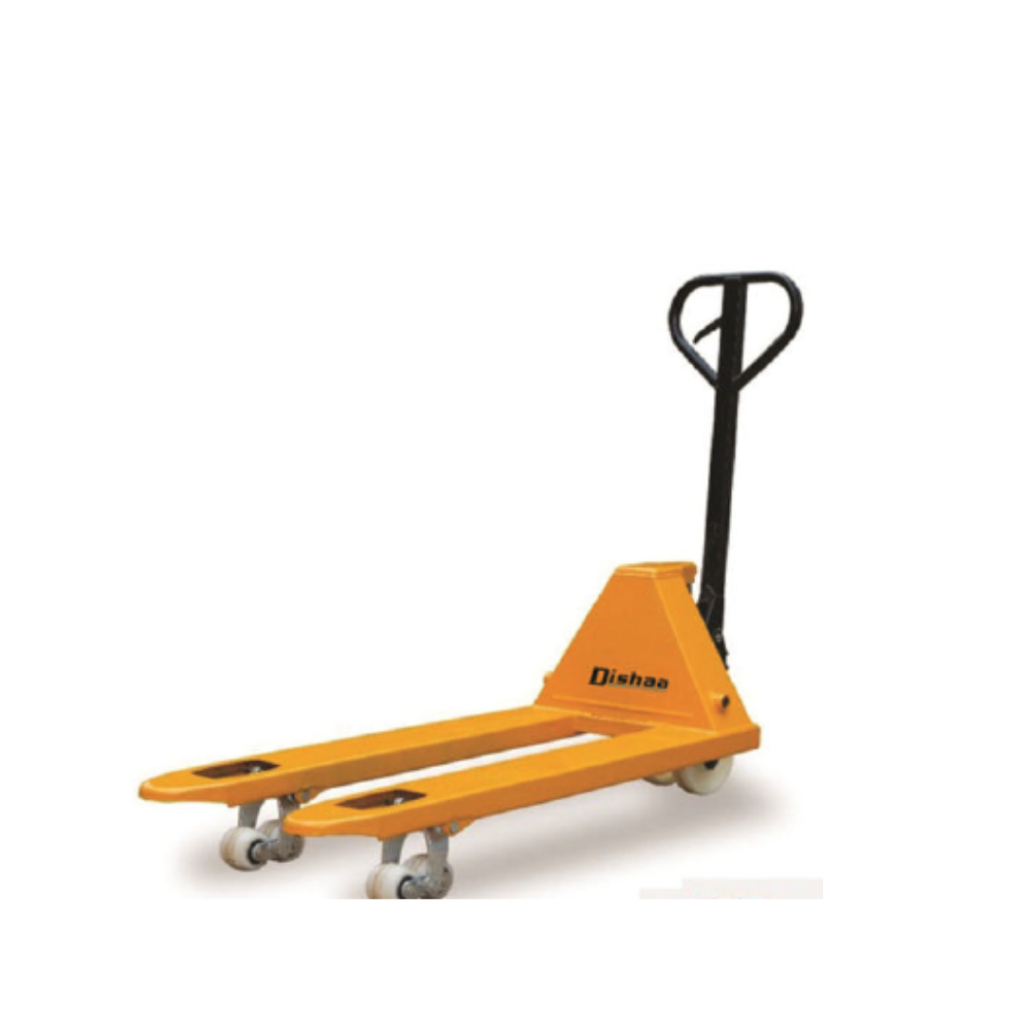
Introduction on Material Handling:
Material handling is the backbone of every industrial, warehousing, and manufacturing operation. It involves the movement, protection, storage, and control of materials throughout the supply chain—from raw material acquisition to final product delivery. To streamline these complex logistics, industries rely on Material Handling Machines.
Material handling machines refer to a wide range of mechanical equipment used for lifting, transporting, storing, and controlling goods. This includes forklifts, pallet jacks, conveyors, hoists, stackers, cranes, and automated storage systems. They are essential tools in ensuring productivity, safety, and efficiency in various sectors like logistics, construction, manufacturing, and more.
With the rise of e-commerce, automation, and lean manufacturing, material handling machines have become more advanced. Modern machines are integrated with IoT, sensors, AI, and automation systems for smart operations. The primary objective is to reduce manual effort, minimize damage, and increase speed, all while ensuring worker safety.In this guide, we will cover everything you need to know about material handling machines—from types and usage to benefits and SEO insights—to help your business stand out.
As industries expand and demand for faster and more reliable logistics grows, the importance of modern material handling solutions continues to increase. In sectors like construction, automotive, aerospace, e-commerce, food processing, and logistics, these machines help minimize manual labor, reduce the risk of injury, boost productivity, and maintain consistent workflow with minimal downtime.
With the advent of Industry 4.0, material handling machines have evolved beyond basic mechanical tools. Today, smart material handling systems come with AI integration, automation, IoT sensors, real-time tracking, and energy-efficient designs. They not only handle bulk materials with ease but also integrate seamlessly with inventory management systems, creating a more data-driven and optimized operational environment.
Another key driver of their popularity is worker safety. Manual material handling is one of the leading causes of workplace injuries globally. By replacing manual effort with mechanical precision, these machines ensure safe operations, compliance with safety standards, and reduced compensation claims.
Why to use Material Handling:
– Reduce manual labor and physical strain
– Increase productivity and speed
– Ensure safety and reduce workplace accidents
– Minimize product damage
– Optimize storage and retrieval
– Enable scalability and expansion
– Support lean and smart manufacturing systems
Applications:
– Warehousing & Logistics: Pallet movement, container stacking, inventory management
– Manufacturing Plants: Moving raw materials, finished goods, tools
– Construction Sites: Handling steel, concrete blocks, etc.
– Automotive Industry: Transporting parts, assemblies, engines
– Retail & E-commerce: Stocking, sorting, packing, shipping
– Airports & Ports: Luggage and cargo movement
– Pharmaceuticals: Sterile material handling in clean environments
Features:
- Forks are processed with whole press forming technology and coated with powder painting, torsion and fading-resistant.
- Excellent whole casting hydraulic pump and welded pump for your choice, robust and durable, with fine control of lowering speed and overload valve, Integrated pump is easy to maintain.
- The wheel material has Nylon, PU, Rubber, Iron to choose from. The guide wheel is optional to ensure easier operation.
- Ergonomically designed handle with comfortable rubber grip allows the optimized safety.
- – Load Capacity Options: From light-duty to heavy-duty lifting
– Versatility: Compatible with different types of loads (pallets, containers, barrels, etc.)
– Ergonomic Designs: For ease of operation and reduced fatigue
– Advanced Safety Systems: Alarms, load sensors, anti-tip mechanisms
– Mobility Options: Manual, semi-electric, or fully automated
– Customization: Tailored attachments for specific industries
– Energy Efficiency: Battery-operated or electric-powered systems
– Compact Footprint: Designed to work in narrow aisles and tight spaces
Benefits:
– Improved Productivity: Faster load handling speeds up operations
– Cost-Effective: Reduces labor cost and time wastage
– Safety Compliance: Reduces injuries and meets industry standards
Limitations:
– Initial Investment: High upfront cost for advanced machines
– Maintenance Needs: Requires regular servicing and trained technicians
– Training Requirements: Operators need proper training
– Space Constraints: Large equipment may need ample space
– Power Dependency: Some machines rely on uninterrupted power supply
Conclusion:
Material Handling Machines are essential for efficient and safe operations in modern industries. Whether you are a small warehouse or a large manufacturing unit, investing in the right material handling equipment enhances your productivity, protects your workforce, and prepares your business for future scaling. With the right features and smart integration, these machines offer exceptional ROI and are a must for every forward-thinking enterprise.
Technical Parameters:
| MODEL | 2500 | 3000 | 5000 | |
|---|---|---|---|---|
| Capacity | Kg | 2500 | 3000 | 5000 |
| Min. fork height | Mm | 80 | 100 | |
| Max. fork height | Mm | 190 | 210 | |
| Steering wheel | Mm | Nylon/PU | 180x60 | |
| Load roller | Mm | Nylon/PU | 88x106 | |
| Each fork width | Mm | 150 | 180 | |
| Each fork thickness | Mm | 3 | 4 | 5 |
| Width | Mm | 550/685 | 700 | |
| Length | Mm | 1150/1220 | 1310 | |
| Weight | Kg | 68 | 75 | 200 |