
POWERED & NON-POWERED FLATBED TRAILER
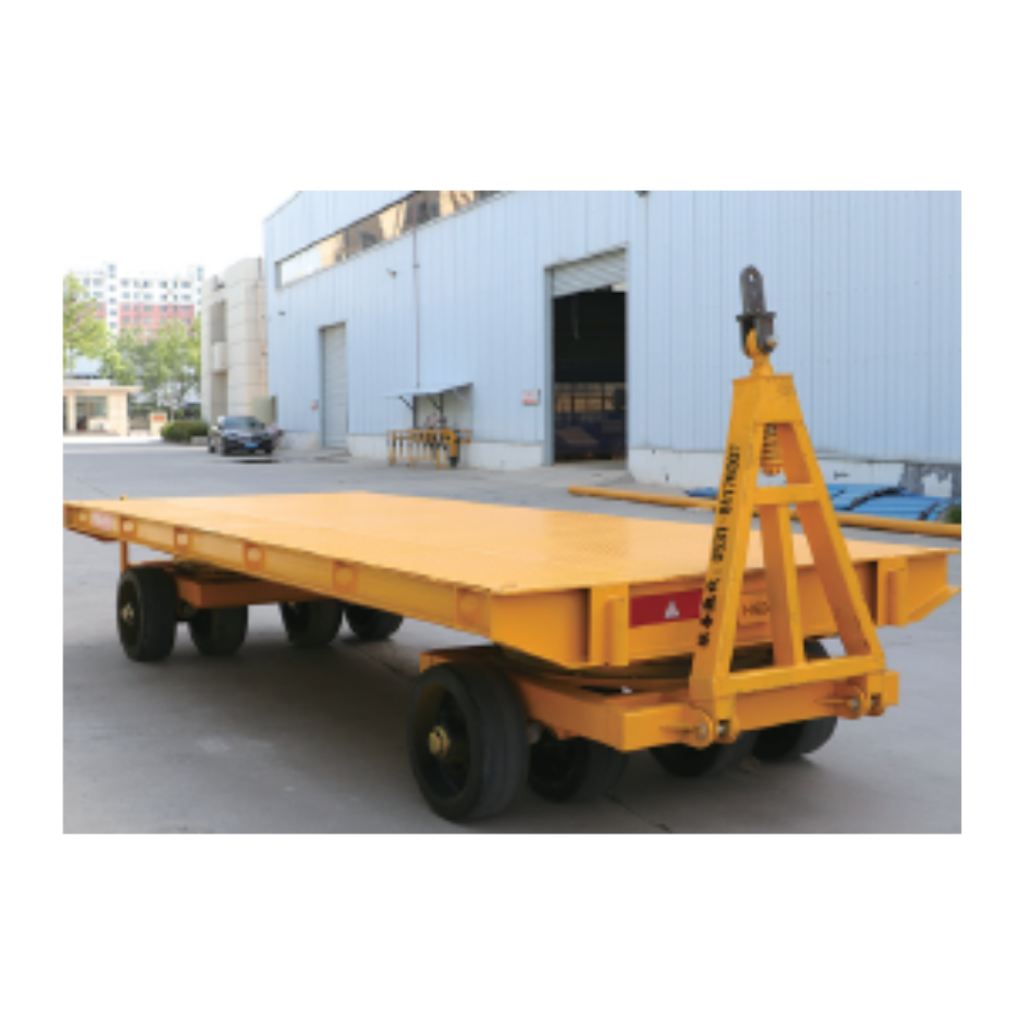
Introduction about Powered & Non-Powered Flatbed Trailer
Flatbed trailers, both powered and non-powered, are essential tools in the logistics, industrial, and manufacturing sectors. These trailers are designed to handle a wide range of heavy materials, machinery, and equipment by offering a robust flat platform for secure transportation. While powered flatbed trailers are integrated with a drive mechanism, non-powered versions are towed or pushed manually or by external force.
In heavy-duty industries, transporting massive or oversized components from one part of a facility to another requires a reliable system. Flatbed trailers fill this gap with their rugged construction and versatility. Whether you’re operating in a warehouse, factory, or construction site, these trailers can significantly improve workflow, safety, and transport efficiency.
With industrial automation and efficient material handling becoming critical for productivity, the demand for high-quality trailer systems has grown. Powered trailers with electric or hydraulic motors allow effortless movement, especially where human labor is limited. On the other hand, non-powered trailers are cost-effective solutions for simpler tasks.
In today’s fast-paced industrial environment, efficiency, safety, and smart material handling are crucial for success. One of the most important pieces of equipment aiding this goal is the flatbed trailer — particularly powered and non-powered flatbed trailers. These machines are engineered to simplify the internal movement of materials, components, and heavy loads within factories, warehouses, logistics hubs, and construction sites.
A flatbed trailer is essentially a flat platform mounted on wheels that can transport large, bulky, or heavy materials. What makes them truly versatile is the option to choose between powered (self-driven) and non-powered (towed) versions based on your operational needs. Both types are used across industries where conventional forklifts or cranes might not be practical due to space limitations or the nature of materials being handled.
Why Use Powered & Non-Powered Flatbed Trailers?
– Ideal for transporting large, heavy, or irregularly shaped materials
– Reduces manual labor and risk of injury
– Offers versatility in manufacturing, warehouse logistics, and construction
– Increases productivity by streamlining internal material movement
– Available in various load capacities and platform sizes
Main Features:
- Powered Flatbed Trailer Features:
– Electric or hydraulic drive systems
– Remote or manual operation
– Battery-powered for silent operation Non-Powered Flatbed Trailer Features:
– Rugged frame and wheel structure
– Designed for towing by forklift or tugger
– Multiple axle designs for stability
– Locking mechanisms for safety
– Customizable deck materials (steel, aluminum, anti-slip)- High load bearing. Made of high-strength steel and have excellent load bearing capacity to handle heavier loads
- Versatility: Have flexible configurations and parameters, can be used to transport e variety of goods in different industries and application scenaños
- Efficiency: Produced on an assembly line, which can improve production, efficiency and precision, improves controlability and stability of the production process.
- Customizability: Can customize flatbed trucks for customers to meet the needs of different customers and with special needs and high-end demands
Applications:
– Industrial plants for moving large components
– Construction sites for transporting building materials
– Airports for cargo handling
– Warehouses and logistics hubs
– Shipyards and railway yards
– Automotive and aerospace factories
Benefits
– Enhanced Efficiency: Move more goods in less time
– Cost-Saving: Reduces labor and equipment downtime
– Flexible Usage: Adaptable for various industries
– Safe Operations: Minimizes manual handling risks
– Customizable: Available in different sizes and load-bearing capacities
– Eco-Friendly (Powered Models): Battery-operated options reduce emissions and noise
Limitations
– Cost (Powered Trailers): Higher upfront investment
– Maintenance: Powered trailers require more technical upkeep
– Manual Labor (Non-Powered): Dependent on external tugs or workers
– Space Requirements: Requires ample turning and storage space
Conclusion
Powered flatbed trailers come equipped with electric or hydraulic drive systems that allow independent movement. These are ideal for large factories or production lines where automation and minimal human intervention are key. They often feature user-friendly control systems, adjustable speeds, and safety enhancements that make them suitable for modern smart factories and lean manufacturing setups.
Non-powered flatbed trailers, on the other hand, are a cost-effective and low-maintenance alternative, commonly used in areas where materials can be pulled or pushed using forklifts, tow tractors, or even manually. Despite their simplicity, they’re designed with industrial-grade strength to withstand heavy loads, rough handling, and constant movement.
Powered and non-powered flatbed trailers are indispensable for industries focused on material handling and efficient transport. Choosing the right type depends on your specific operational needs, load size, frequency of use, and available infrastructure. Investing in a quality trailer system enhances productivity, workplace safety, and overall workflow.
Technical Parameters:
| ITEMS | SPECIFICATIONS |
|---|---|
| Platform size | 2500 × 2500 mm |
| Rated Load Capacity | 5Ton / 10 Ton / 15 Ton / 20 Ton / 35 Ton / 40 Ton / 45 Ton |
| Deck Height | Approx. 700mm |
| Main Beam Material | Channel Steel #14 |
| Secondary Beam | Channel Steel #12, 5 m |
| Deck Material | 4 mm anti-slip checkered steel plate |
| Tire Layout | 4 pressed-fit solid tires (front and rear) |
| Tow Bar Height | 550 mm from ground, adjustable |
| Steering Mechanism | One slewing bearing set (trailer-specific) |
| Towing Method | Towed by forklift or tractor |
| Safety Markings | Reflective warning strips |