
BEAD BENDING
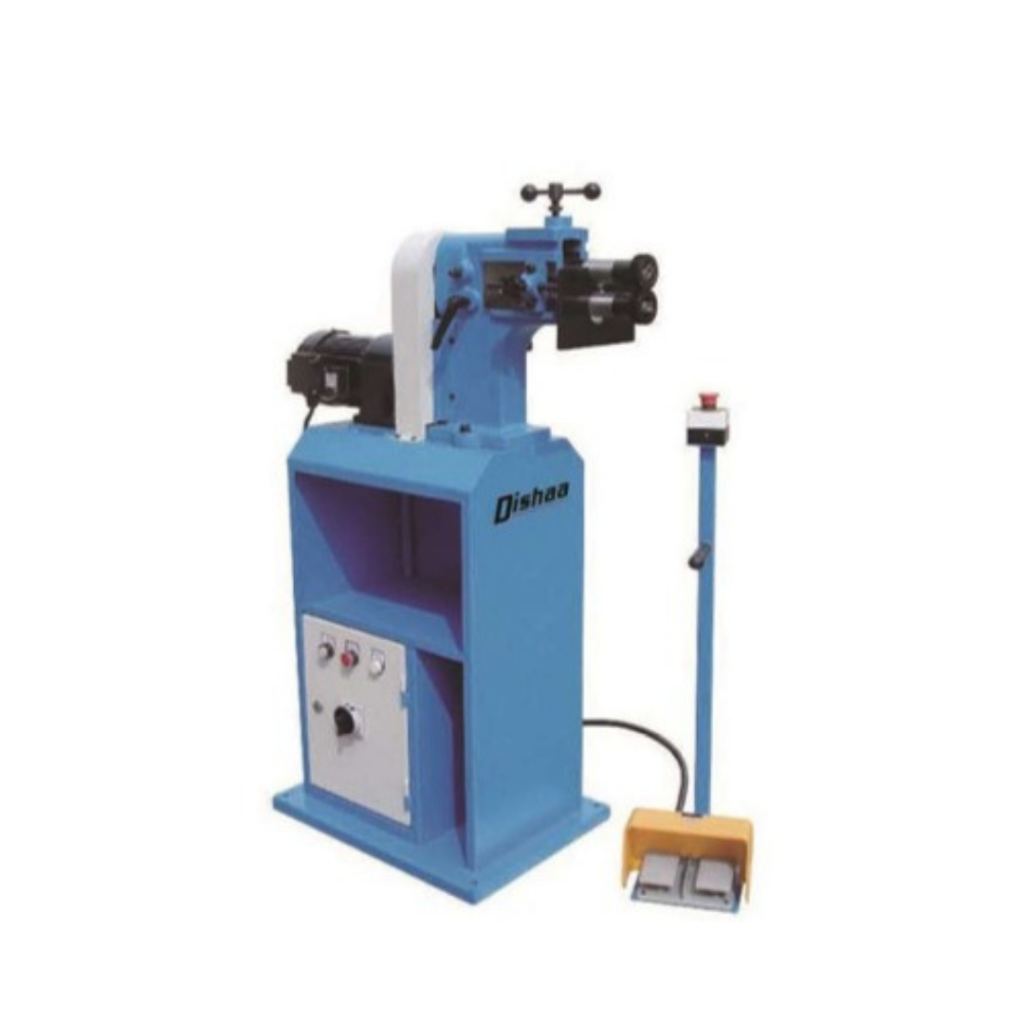
Introduction on Bed Bending Machine:
The metal fabrication industry continues to evolve with the introduction of advanced machinery that enhances accuracy, productivity, and efficiency. Among the most critical tools used in workshops, factories, and industrial fabrication units is the bead bending machine. This versatile piece of equipment is designed to bend sheet metal, form complex shapes, and ensure precise angular adjustments. Whether used in small manufacturing units or large industrial operations, a bed bending machine plays a central role in the shaping and forming of metal structures.
In the world of fabrication, precision is everything. A single deviation in angle or alignment could compromise the structural integrity of the final product. The bed bending machine addresses this challenge by offering controlled and consistent bending operations. These machines come in several forms, such as manual, hydraulic, pneumatic, and CNC-operated models, each tailored to meet different levels of production demand.
In this detailed guide, we will explore why bead bending machines are essential, their features, applications, benefits, and common limitations. If you are planning to purchase or upgrade your metal bending equipment, this comprehensive article will serve as your go-to resource.A bead bending machine is a specialized metal forming tool used to create bead-like shapes or grooves along the edges of sheet metal. These beads not only enhance the structural rigidity of the material but also add aesthetic value and functionality, especially in applications like HVAC ducts, automotive parts, and metal panels. Bead bending helps prevent deformation and improves the strength-to-weight ratio of the component.
These machines are commonly used in industries that require precise and repeatable bead patterns, such as metal fabrication, construction, aerospace, and manufacturing. They come in manual, motorized, and CNC variants, depending on the level of automation and production volume needed. With adjustable rollers and easy handling, bead bending machines are efficient, accurate, and ideal for both small workshops and high-production facilities.
Their design allows for consistent results, minimal material wastage, and increased productivity. Bead bending machines play a key role in improving metal workpiece quality, offering smooth finishes and precise curves while minimizing material fatigue.
Why Use a Bead Bending Machine:
Using a bead bending machine provides several advantages, especially when the goal is accuracy, repeatability, and efficiency. Below are the primary reasons industries rely on this equipment:
Superior Accuracy and Consistency
Bead bending machines offer precise control over bending angles and shapes. This ensures that every product meets the desired specifications with minimal deviation. For industries where precision is crucial—such as automotive, aerospace, and construction—such consistency is invaluable.
High Production Efficiency
Manual bending of metal sheets can be time-consuming and prone to errors. Bead bending machines reduce labor time by automating or semi-automating the bending process. The result is increased productivity and reduced lead time.
Versatility Across Materials
These machines can bend various materials such as stainless steel, aluminum, mild steel, copper, and alloys. Their ability to handle diverse thicknesses and strengths makes them suitable for a wide range of applications.
Reduced Labor Costs
With machine-aided bending, the dependency on manual labor decreases significantly. One operator can control multiple operations, which lowers overall operational costs.
Improved Safety
Manual bending can expose workers to risks such as cuts, strain injuries, and sheet metal mishandling. Bed bending machines are designed with safety mechanisms like emergency stops, protective guards, and automated feeds.
Enhanced Design Flexibility
CNC bead bending machines allow the creation of complex patterns and angles that are difficult or impossible to achieve manually. This expands design possibilities for fabricators.
Applications:
Automotive Industry
Metal components like brackets, frames, panels, and structural reinforcements are shaped with bending machines to meet precise specifications.
Construction and Architecture
These machines are used to produce sheet metal parts for roofing, façade systems, building frames, HVAC systems, and metal ducts.
Furniture Manufacturing
Metal furniture such as office desks, cabinets, shelves, and bed frames require precision bending for aesthetic and structural purposes.
lectrical and Electronics Industry
Many enclosures, panels, brackets, and components for electrical systems are manufactured using sheet metal bending.
Industrial Machinery Fabrication
Industrial equipment often requires custom-built sheet metal parts created through bending processes.
Household Appliances
Products like refrigerators, washing machines, and ovens use sheet metal panels formed with bending machines.
Metal Art and Decoration
Artists and designers use bending machines to create custom metalworks, sculptures, and decorative installations.
Benefits:
Increased Productivity
Automated and semi-automated bending processes speed up production and reduce downtime.
Cost Savings
Lower labor costs, reduced material waste, and improved efficiency result in long-term financial savings.
High Precision and Repeatability
CNC models ensure each bend is identical, reducing errors and improving quality control.
Enhanced Durability and Strength of Output
Proper bending improves the structural strength of metal components, making them more durable.
Adaptability to Different Projects
From small-scale projects to large industrial operations, these machines can handle a wide variety of tasks.
Minimal Material Waste
Accurate measurements and controlled bending help avoid unnecessary material loss.
User-Friendly Operation
Modern machines emphasize easy controls, intuitive software, and ergonomic design.
Features:
- Heavy and solid cast iron construction
- Special steel adjustable bottom spindle
- Self-braking motor with subframe(E-type)
- Easy to operate with foot pedal control E-type)
- 4 sets standard rollers
Technical Parameters:
| Model | DBB 12 | DEBB12 |
|---|---|---|
| Thickness max | 1.2mm/18Ga | 1.2mm/18Ga |
| Cylinder length | 140mm/5-1/2" | 140mm/5-1/2" |
| Throat depth | 200mm/8" | 200mm/8" |
| Cylinder speed | 32rpm | |
| Motor power | 0.75kW1HP | |
| Net weight | 48kg/106lb | 120kg/265lb |
| Paching(cm) | 67x32x60 | 110x46x148 |